Looping — How I Build a Full Performance as a Solo Artist
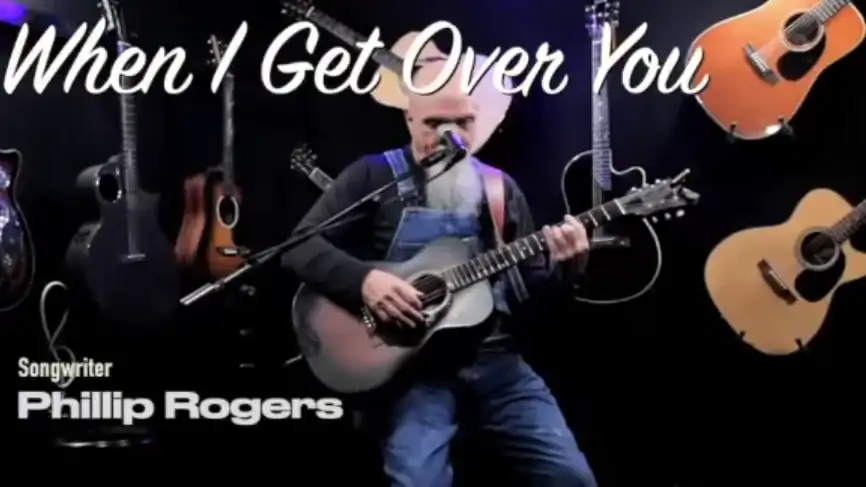
Guitar and vocal loop performance allows a solo artist to build a full, layered acoustic performance in real time—rhythm, harmony, and musical movement—without backing tracks or a full band.
Every sound you hear is created live and shaped in the moment. Parts are added, removed, revisited, and adapted as the song unfolds, always responding to the room and the people listening.
It’s not a trick or a shortcut. It’s simply how I present songs fully and musically as a solo performer.
What Guitar and Vocal Loop Performance Means in My Shows
Looping, in my performances, is not about creating repeating tracks or building songs on fixed cycles. It’s a live performance technique I use to capture short musical phrases and reintroduce them only when the music calls for it.
Instead of recording a set length and letting it play continuously, I treat looping as a flexible musical tool. Phrases are added intentionally, revisited briefly, and then allowed to disappear so the song can continue to move and breathe.
The song always leads. Looping follows.
Everything remains live, responsive, and connected to phrasing, dynamics, and feel—much like a full band responding to each other in real time rather than playing to a rigid structure.
This guitar and vocal loop performance approach allows each song to grow naturally, responding to the room instead of following a fixed arrangement.
How I Use Guitar Looping Musically
On guitar, I use looping to capture specific musical phrases—often parts that would normally be handled by another guitarist or a rhythm section.
I’m very deliberate about where I punch in. I keep track of the exact beat where a phrase begins so that when I return to it later, I can re-enter on that same beat with precision. That timing discipline allows sections to feel intentional and musical instead of mechanical.
Most guitar phrases aren’t left running for the entire song. They’re brought in when they serve the arrangement, revisited when needed, and then allowed to step out of the way so the performance can continue to evolve naturally.
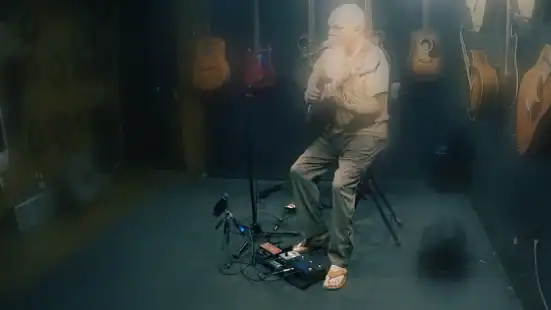
In intimate settings—especially vacation rental performances—this approach often creates a quiet moment of surprise. Someone hears an added harmony or an extra guitar part and instinctively looks around, realizing there’s still only one person in the room. That subtle reveal is part of what makes a guitar and vocal loop performance feel personal rather than produced.
The goal isn’t repetition for its own sake. It’s continuity—giving the song forward motion while still leaving space to play, sing, and shape the performance in real time.
My Personal Preference When Using Looping
There’s a part of me that wants looping to be so transparent that people forget it’s even happening. When it’s done well, the music just feels complete—no spotlight on the process, no attention pulled away from the song.
That said, I also can’t stand the idea of anyone thinking I’m performing to prerecorded tracks. That’s about as appealing to me as kissing my sister… the ugly one. The whole point of looping, for me, is that it stays live. The timing, the phrasing, the decisions—all of it happens in the moment.
So while I aim for polish and control, I never want the performance to feel canned or automated. I’d rather the music breathe a little than give the impression that something is running without me.
How I Got Into Looping
When I moved from Nashville back to North Georgia, I left behind a world where great players were always nearby. I had a strong repertoire, but many of my songs depended on things I no longer had easy access to—lead guitar parts, instrumental breaks, and vocal harmony.
In 2006, I started exploring looping as a practical solution. My goal wasn’t to sound flashy or technical. I needed a way to recreate the musical support I was used to while keeping everything live and honest.
Looping gave me a way to build the missing pieces myself—carefully, intentionally, and in real time—so songs could still feel complete without depending on other players or prerecorded material.
My Live Looping Footboard Setup
This footboard is the control center for how I use looping during a live performance. Nothing here is automated, synced to timecode, or tied to a backing track. Every decision—when to capture, when to release, and when to move on—is made in real time as the song unfolds.
![]()
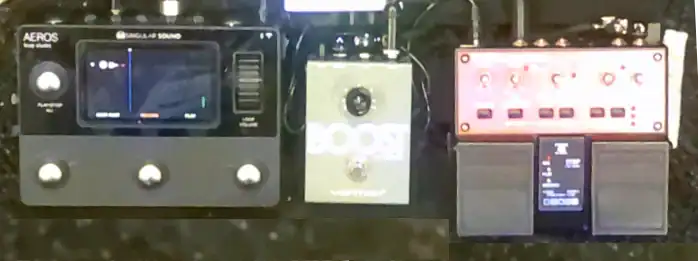
My live looping footboard featuring a Boss RC-20XL (right) for guitar phrases and a Singular Sound Aeros (left) for vocal harmony control.
On the right side of the board is a Boss RC-20XL, which I use exclusively for guitar looping. I don’t build long, repeating guitar beds. Instead, I capture short, intentional phrases—typically parts another musician would cover during a solo or instrumental break. I’m always tracking the exact beat where I punch in so I can return to that moment later without the groove ever feeling mechanical.
On the left is a Singular Sound Aeros, dedicated entirely to vocal looping. I don’t use vocal looping in the traditional sense of recording a long section and letting it cycle underneath me. I work one vocal phrase at a time, layering individual harmony lines so they function like separate singers rather than a single stacked loop.
In songs where the chorus repeats multiple times, this approach allows me to build full three-part harmony and still continue singing live over the loop. The harmony can grow, change, and breathe instead of staying static—more like real singers in a room than a prerecorded track.
The smaller pedal positioned between the two loopers is a clean boost. Once accompaniment is established in the guitar looper, I’ll occasionally engage a slight volume increase so the live vocal stays clearly out front, especially during dynamic sections of a song.
See It In Action
The best way to understand how I use looping is to watch it happen.
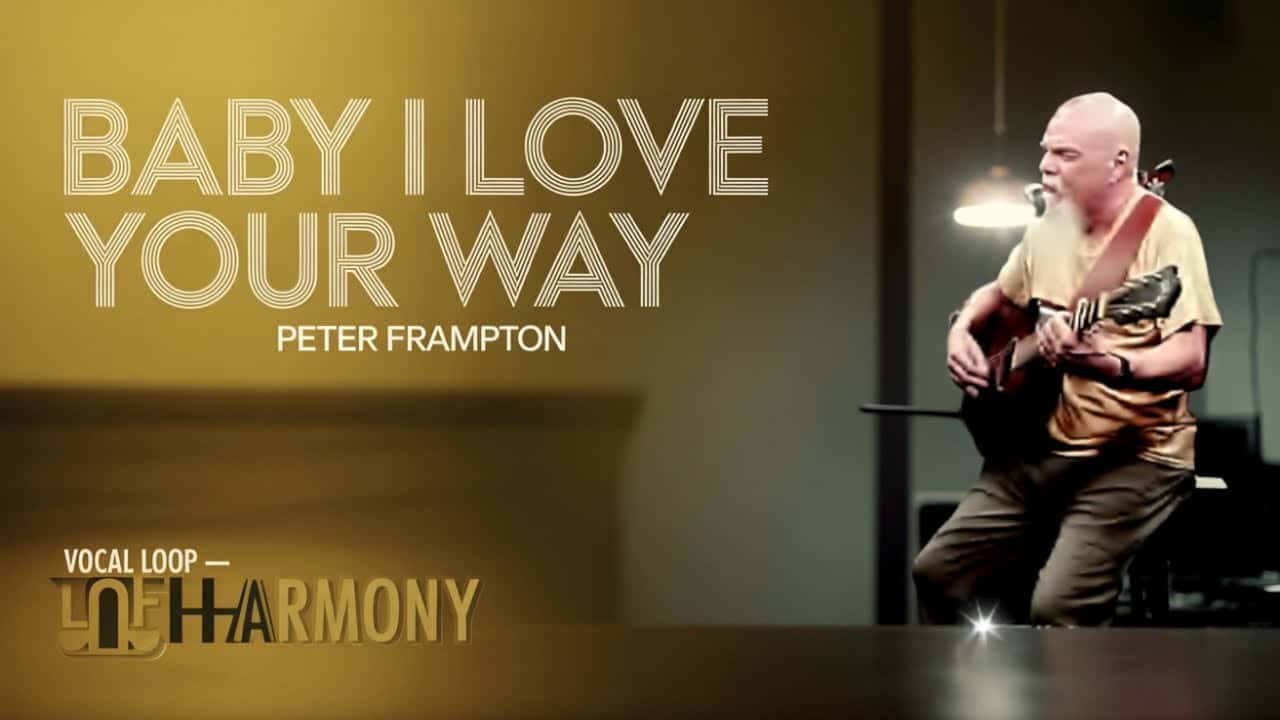
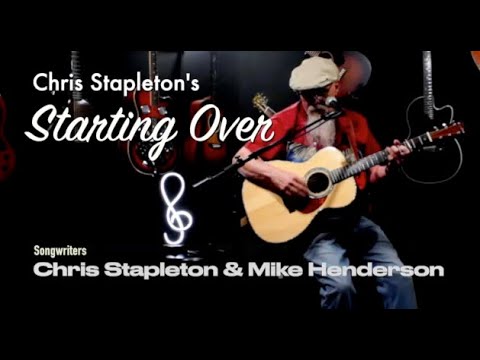
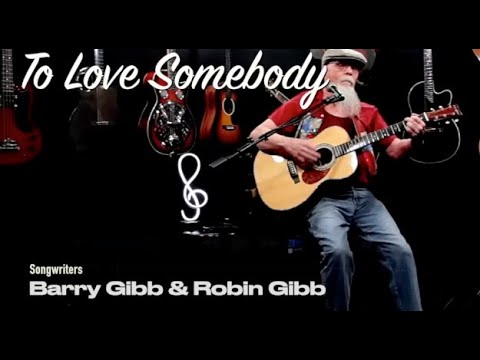
The videos below show real performances where guitar parts, vocal harmonies, and arrangements are built live as the song unfolds. Nothing is pre-recorded. Nothing is locked to a track. Every decision happens in the moment, shaped by timing, feel, and the room itself.
Every guitar and vocal loop performance is shaped live, balancing structure, space, and musical instinct without relying on backing tracks.
If you’re curious how a solo performer can create a full, layered sound while keeping everything unmistakably live, these performances will make it clear.